Posted on

Best Time To Do The Kuari Pass Trek

Best Time To Do The Kuari Pass Trek

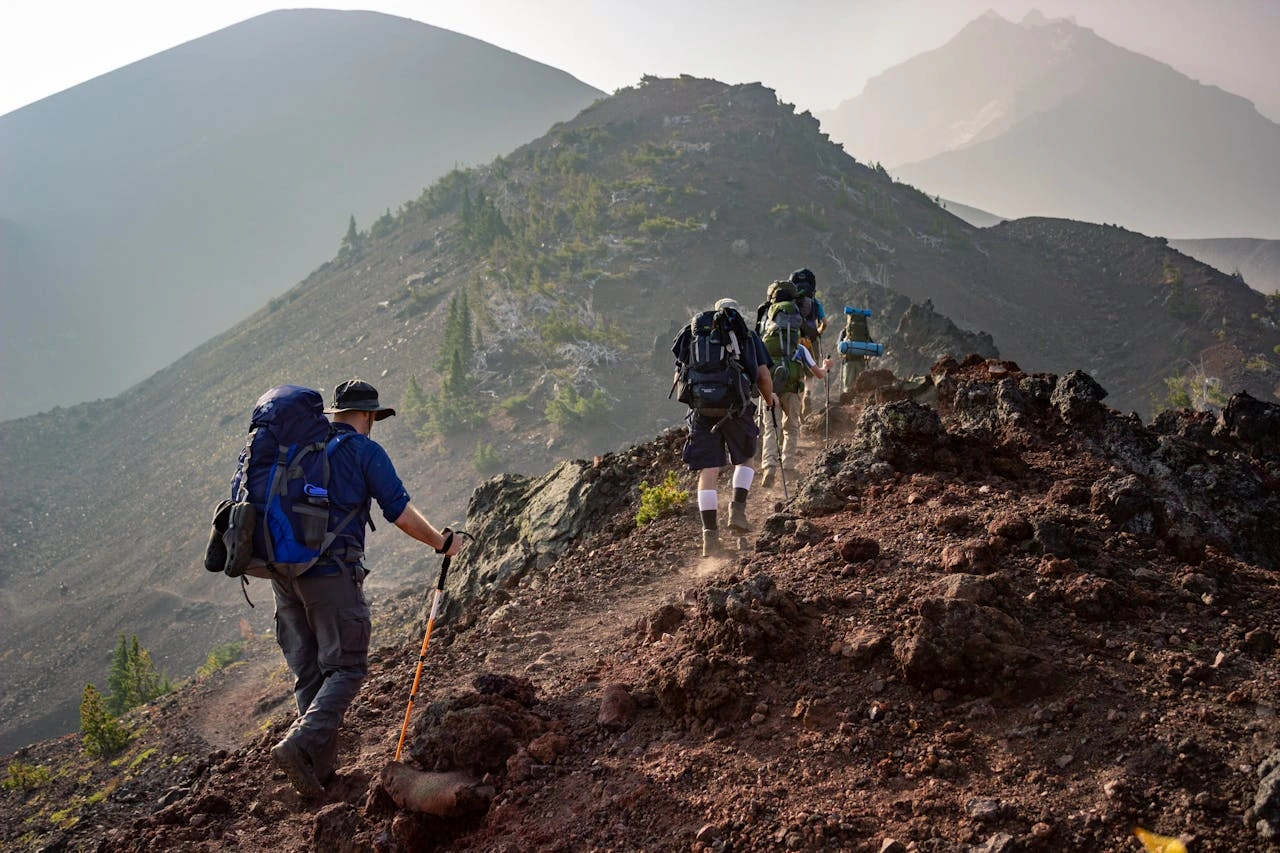
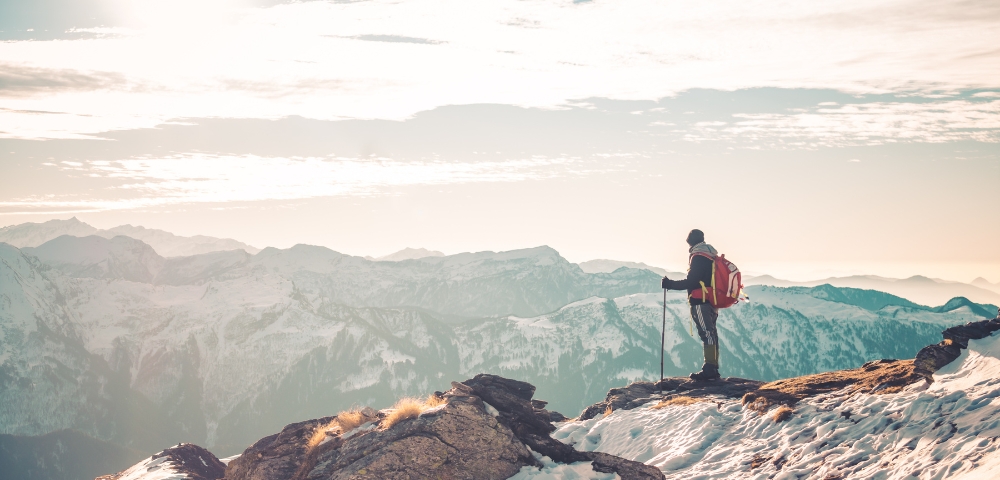
Mountains are majestic creations that fascinate everyone. People remain passionate about hiking summits to have panoramic views of distant peaks. The moments spent sitting on a summit, gazing at the mountains, help clear negative thoughts from the past, opening a new chapter of life filled with confidence and peace. Among the iconic Himalayan treks, the Kuari Pass trek is a remarkable journey with a special place in every trail lover’s heart.

Trekkers cover a total distance of approximately 33 kilometers to have an exquisite view from the summit that includes Nanda Devi, Kamet, Trishul, Hathi Parvat, Dronagiri, and other Himalayan peaks, especially in the Garhwal region of Uttarakhand. The trek is easy, but harsh winters make it challenging, as hikers can get their knees stuck in the snow.

Its popularity attracts many youngsters every year, and the first question that comes to their mind is, “What is the best time to do the trek?” The blog is for those seeking a detailed and accurate answer. We are sure that merely reading the blog will intensify your energy to do the trek. 

The Right Time To Visit Kuari Pass

Doing a trek at the right time is crucial not only for gaining an incredible experience but also for making it safer. The Kuari Pass trek is one of the famous treks in Uttarakhand. Read on to find out the best time to go on the trek. 

Spring Months (March to April)

The time is perfect for you if you want to enjoy the snow but in comfortable weather; in fact, it is the best time for those willing to gain expertise in winter treks. The fresh, clear sky, lively forests at lower altitudes, and the snow at higher altitudes make the location a magical landscape.

Blooming rhododendron trees, the beautiful wildflowers with their fragrance, and wildlife on the trail will leave a long-lasting impression on your mind. You walk on an easily accessible trail, listen to nature sounds that fill you with positive energy, and witness the revival of trees. More reasons to trek during the time:

Moderate Temperature:

Exploring the scenic trail of the trek becomes easy in the mild temperature. The spring season witnesses moderate temperatures compared to December and January, when the temperature can drop to extreme levels, making hiking quite challenging.

Snow Adventure:

During this ideal time, you will witness a beautiful mix of snow and wildflowers, which cannot be experienced in other seasons. The snow-capped peaks, in contrast to lively forests, enhance your trekking experience. 

Unforgettable Views:

As the sky is clear, you can have an unobstructed view of the mountains that will be stored in your heart forever. These views are the main reasons that motivate people to trek. You can have incredible and clear views of the peaks from Kuari Pass in spring. 

Peaceful Experience:

The trail is less crowded than during peak season, giving the trekkers a peaceful experience. Moreover, walking on a dry trail ( free of deep snow) becomes less challenging than walking on a deep-snow-filled trail. 

Trek Itinerary:

Your trek guide will prepare the entire plan for you and explain it to you before starting the trek. A few changes are expected from the trek leader for a smooth journey. Have an overview of the trek:

Day 1: The trek’s base camp is Karchi Village, located near Joshimath, a popular town with religious significance. 

Day 2: You must start hiking in the morning to enjoy a beautiful sunset at Akhorgheeta, your next campsite for an overnight stay. 

Day 3: Next, venture through oak and rhododendron forests, which look exquisite in all seasons, to reach Khullara, a beautiful campsite and an open meadow. Here, you can witness the stunning peaks of the Himalayas, like Nanda Devi and Dronagiri. 

Day 4: Wake up early in the morning, as you have to cover an incredible journey to reach Kuari Pass, a beautiful summit in the Garhwal region. You will find immense peace here by looking at Nanda Devi, Dronagiri, Kamet, and Trishul. Start descending back to the Khullara campsite.

Day 5: After an overnight stay at the campsite, prepare to return to the Karchi Village. 

Cautions To Follow:

  • Bring appropriate clothing that matches the weather. The temperature is moderate, but still, the air will feel chilly. 
  • Carry an insect repellent, as the spring rejuvenates the vegetation, escalating the risk of insect bites. 
  • As the trail is not overcrowded at this time, only a few shops will be available, offering food and drinks at higher prices. Make sure to take eatables and water with you. 
  • Never disregard the trek guide’s instructions for a safe trek. His expertise and knowledge are crucial to a remarkable trekking experience. 

Conclusion

Your interests also play a crucial role in deciding which month will be perfect for the trek. Know what experience you want to take with you. If it is experiencing snow in pleasant weather, March is the right time. However, December is perfect if you yearn to enjoy a winter wonderland. Remember that choosing a time that allows a safe trek is always wise. Get more help from the experts, book your package, and prepare to turn your fantasy into reality. 
Posted on

Tips for Visiting Manali in December 

Tips for Visiting Manali in December 

Manali, a dreamy town in Himachal Pradesh, is abundant in spirituality and adventure. Here, you collect beautiful moments, find peace, and have adventures that enliven your courage. Traveling here in December could be one of the best decisions in your life if you keep a few essential tips in mind. 

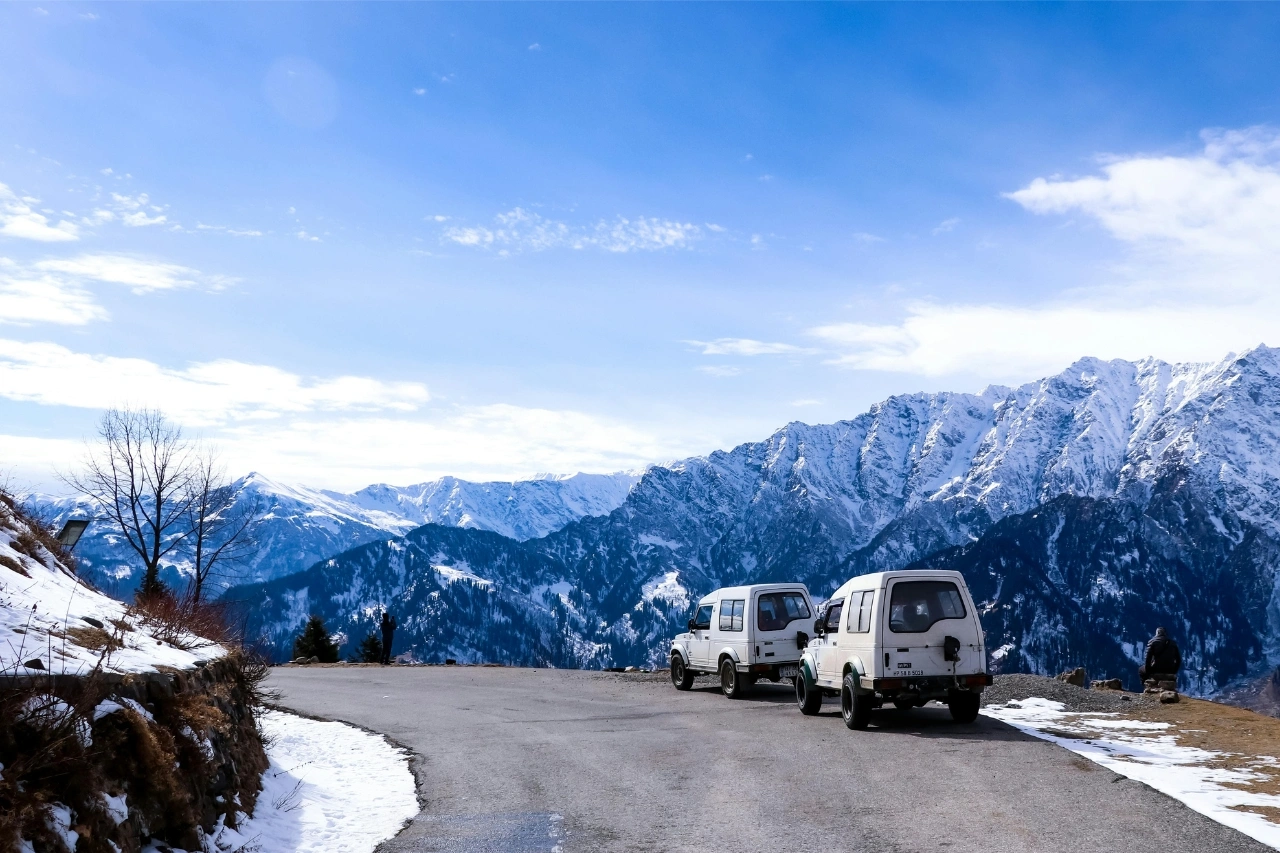
At the end of the year, the town has a new face, as the snow has painted the mountains white. Simply looking at them will make you believe in God’s strength. A few doubts regarding harsh weather can stop you from coming here. In that case, knowing a few instructions is the key to a successful trip to Manali. 

The blog will articulate everything you need to know for an incredible experience in this hill station. 

Quick Facts About The Town:

Know a few quick details about the location before you come here. 

  • This beautiful tourist destination comprises three hills, each with a popular temple. 
  • The town has more than 20 key locations to fascinate you. 
  • Manali in December witnesses a cold winter climate, with temperatures dropping to extreme levels.

How To Arrive Here?

Chandigarh, Shimla, and Delhi are the key locations well connected to the town. Regular buses and Volvo buses are also available in nearby locations. However, if you plan to arrive by air, the nearest airport to Manali is Bhuntar Airport (50 km from the town). Those planning to come here by train must know that the town has no railway station. You can take a train to Shimla, Delhi, and Chandigarh and then arrive here by bus or taxi. 

Essential Travel Tips: 

Explore tips for a successful Manali trip in December. 

Weather 

It starts to snow here at the start of December, and this is the best time to visit Manali. Those planning to come here must know that the climate could be harsh and pack clothing and other things accordingly. Make sure to carry waterproof pants, warm clothes, and thermal innerwear. Woolen gloves and caps are mandatory. Additionally, don’t forget to carry common cold medicines. 

Booking An Accommodation 

To keep things manageable, you can also book a tour package, where people who are well acquainted with the location prepare everything for you. From booking accommodation to arranging a taxi, the travel guide will do everything possible to enhance your experience and let you explore Manali in the best way. Have a look at the best locations where you can book your stay:

  • Mall Road
  • Old Manali
  • Solang Valley

To explore the town, you can also rent bikes or scooters that are readily available to tourists. 

Key Locations

During the winter, you can expect amazing winter sports. In addition to that, Manali has something to offer to everyone, including a child, a couple coming for a honeymoon, a family, adventure enthusiasts, and history buffs. Let’s take a quick look at the locations that have the soul of the town. 

Hadimba Temple: Visiting this iconic temple during winter seems like entering a heavenly location. Due to its Pagoda-style architecture, you will feel like you are in Myanmar, Thailand, or an area famous for such architecture. The Deodar trees laden with snow will enhance the beauty of the location. 

Mall Road: Loaded with shops, hotels, and restaurants, Manali Mall Road is a key location that connects the town with other places, making exploration easy. During evenings in the winter, the road gives Diwali-like vibes due to its lights, happiness, and tasty food aroma. Come here, and take with you incredible moments. 

Solang Valley: The place, an alternative to Rohtang Pass, which is closed in December due to heavy snowfall, holds a profound significance for winter sports lovers. During the month, the valley becomes a perfect spot for skiing and snowboarding. Get some time to fly over the snow-capped Dhauladhar range through paragliding, too. The location is not just meant for adventure seekers but also those seeking the beauty of nature. 

Vashisht Temple: Spending time at the temple, constructed as a tribute to a prominent Indian Rishi and teacher of Lord Rama, will let you experience spiritual bliss. One of the iconic locations that completes Manali, this temple is dedicated to Rishi Vashisht and his student, Lord Rama. The hot spring near the temple elevates the temple’s prominence to the next level.

Jogini Waterfall Trek: Are you a trekking Lover? Manali has a small trek available near the Vashisht temple. Trekking here is a chance to experience nature’s lap and a majestic waterfall. A beautiful temple stands at the base of the waterfall, a testament to the purity of the location. The entire scene gives your pictures an ideal background. 

Manu Temple: This temple is one of Manali’s best places to visit because of the incredible view it offers tourists. Sitting around the temple and witnessing the majestic view around the temple will be the best moments in your life. Rishi Manu is worshipped here, and your experience at the location will be unforgettable. 

Van Vihar National Park: The park is a perfect picnic spot for those coming with children and offers a boating ride and other play areas. Including this location on your visiting list will make your family trip successful, giving you memories of happiness and love. Moreover, strolling around the lanes surrounded by pine and cedar trees will provide you with immense peace. 

Food points

Cafe 1947: Eat Pizza and pasta and have a dreamy view from this cafe. 

The Lazy Dog: Take your loved ones here for an evening meal and breathtaking views. 

Renaissance Manali: Enjoy Mexican meals at this restaurant, which is ideally located near the mountains. 

Conclusion 

Your investment in the trip will return the best results only when you have received the proper guidance. Plan everything before you go, and we advise you to stay at Manali for at least three days to explore it thoroughly. Also, make things simpler by booking a tour package, whether coming alone or with your loved ones. 

Posted on

Everything You Need to Know About Brahmatal Trek

Brahmatal Trek!

You trek to glimpse the incredible view of the mountain peaks. The view is stored in your heart forever, giving you a sense of a truly lived life. But peace is not felt only atop the summit, but also throughout the trek, where a beautiful backdrop follows you along the path. Brahmatal trek, in Uttarakhand, is one such trek that will take you to a realm surrounded by heavenly bliss. 

The trek is busy during peak seasons, from December to March. However, you can hike to the summit even before that period. During winter, some parts of the trek become quite challenging. The blog will deliver an exceptional guide to those planning for this beautiful Himalayan trek. You will learn everything about the trek for a remarkable experience.

Things That You Require:

Every trek, no matter how easy, requires fitness and a few essential things mentioned below. 

Trekking Gears

A successful trek requires quality trekking gear. Without these gears, your safety, comfort, and performance will be compromised. You can rent these gears, or if you are passionate about trekking and do it often, you must buy your own. Trekking shoes, poles, a Microspike, a rain cover, a backpack, and solar batteries are necessary for the Brahmatal trek. 

Trekking Guide 

Knowledge is also required to make your trek successful. Acquiring a trekking permit, booking a hotel, and planning overnight camp stays could become difficult. However, your trekking guide will do it for you. They will also instruct and guide you for a safe trek. Professional guidance and assistance are bliss even for trekkers with vast experience. Thus, book a Brahmatal Trek package and have a hassle-free trekking experience. 

Sunscreen, Hat, and Water bottles 

Carrying these three items is important; otherwise, you will have a terrible trek experience. You can get sunburns even during winter, when the direct and snow-reflected sunlight will cause your skin discomfort. For more safety, you must also carry a hat. A water bottle is a must, as water sources are rarely available on the trek. 

Brahmatal Trek Itinerary 

The duration of the trek is decided based on the weather and snowfall conditions, as well as the route you choose. Generally, the Brahmatal trek distance is approximately 25 km, 4 or 5 days long. However, due to the difficulty levels caused by snowfall, the trek duration can extend to six days. So, let’s start learning about the entire trek journey:

Day 1: Reach Lohajung, a beautiful Himalayan village and the base camp for the Brahmatal trek. Here, you can find beautiful guest houses, homestays, shops, and a distant view of Nanda Ghunti peak. The location also serves as a base camp for the Roopkund trek. 

Day 2: Your next stop could be Bekaltal or Tilandi. If the weather is harsh, Bekaltal will serve as the best campsite, where you will enjoy some beautiful moments around the Bekal lake. However, suppose the Tilandi has been selected as the campsite. In that case, you can enjoy staying at a beautiful grassland where some beautiful mountain peaks can be seen, such as Trishul 1 & 2, Mrigthuni, and Devtoli. The sunset and sunrise at this grassland will amaze you to the extent that you wish to return here again. 

Day 3: After breakfast at Tilandi, you proceed to Jhandi Top, a beautiful campsite with a unique Shiva temple. Harsh weather can stop you from going further, and your trek could end here for your safety. If this happens, don’t be sad, as you can still enjoy seeing the majestic mountain peaks from here. 

Day 4: Brahmtal campsite is your next stop if the weather allows you. After reaching here, start the trek to Brahmatal Top, where you can witness the grandeur of the mountain peaks at the Jhandi Top. You must also go for a beautiful Brahmatal lake trek. The lake is frozen in winter. Spend a few hours here, then travel back to the Brahmatal campsite. 

Day 5: The trekking guide decides the return route at the campsite. He generally preferred the short route, i.e., from the Brahmatal campsite to Lohajung via Daldum. 

Day 6: You can either stay at Lohajung or return home the same day. 

The Best Time to Trek: 

Standing near a frozen lake amid forests is an unforgettable experience. The scene will make you believe that heaven exists on Earth, too. Let’s know the best time to come here.

December to February

Youngsters generally decide to trek between December and February, when snowfall turns the location into a winter wonderland. During this period, the difficulty level of the Brahmatal trek was quite high. 

March to April

It’s the time when there is less snow, making the trek less difficult. The Oak and Rhododendron forests welcome you at significant portions of the trek,  especially in the lower and mid-altitudes. 

October to Mid-November

During the Post-monsoon, the trek becomes relatively easy, allowing the trekker to complete it in fewer days. The golden-orange forests silently motivate you to trek energetically. 

Conclusion 

Brahmatal Trek is not just a journey; in fact, it is about collecting memories that you can cherish forever. You not only seek enjoyment here but also test your endurance and take with you a sense of accomplishment that motivates you to channel through hurdles in life. Book your trekking guide, reach here, and discover a new version of yourself. 

Posted on

8 Best Winter Treks in Uttarakhand

Best Winter Treks in Uttarakhand

Revered as “Dev Bhumi,” Uttarakhand remains a popular destination not only because of its spiritual essence but also because of its 100+ trekking locations. Many trail lovers seeking adventure are drawn to this state to experience a perfect blend of nature, spirituality, and thrill. 

Filtering the best treks out of 100+ options could be strenuous. Don’t worry! We will acquaint you with Uttarakhand’s top eight winter treks, giving you a remarkable experience to cherish forever. The treks below have different difficulty levels so that you can select the best that matches your endurance. 

Enjoy Reading The Top Treks In Uttarakhand:

We have compiled a list of the region’s top trekking locations to help you decide on your next trekking spot. 

1. Deoban Weekend Trek

Altitude: 9,279 ft

Difficulty: Easy

Seeing the grandeur of India’s second-highest peak, Nanda Devi, by standing atop the Deoban summit will be a bewitching moment in your life. This trek will give you a chance to see 55 mountain peaks in just a weekend. The word “Deoban” is attached to the trek due to the clusters of deodar trees you can visit during the journey. The trek is easy for a beginner. However, like other treks, the Deoban Weekend Trek becomes quite difficult during the winter season in Uttarakhand. 

Trek Overview:

Day 1: Arrive at Dehradun, then drive to Lokhandi, a small base village for the trek. After this, you will stay overnight at the Sarwaswati campsite, nestled in the heart of nature. 

Day 2: Trek to Deoban by passing through a dense area of deodar, pine, and rhododendron forests and witness stunning views.  

2. Nag Tibba Trek

Altitude: 9915 ft

Difficulty: Easy to Moderate

The Nag Tibba trek is famous for its short distance and mild difficulties. What makes this trek so popular? It is beginner-friendly and only a weekend long, which means you can cover it in just two days. The mountain peaks, including the Himalayan range, Bandarpoonch, Swarg Rohini, and many more, will surround you during the trek and become a part of your memory forever. 

Trek Overview: 

Day 1: The trek starts at a beautiful village, Pantwari, which is just 95 km away from Dehradun. You arrive at Basecamp, just five km from the town. 

Day 2: Don’t miss the beautiful sunrise at the Nag Tiba summit. Start trekking at 3:00 a.m. to reach the summit. On the way, you will see an incredible devotional sight, the Nag Tiba temple. After capturing some beautiful moments at the summit, return to Pantwari village.

3. Chopta Chandrashila Trek

Altitude: 9,400 ft

Difficulty: Easy

Trekking to this summit seems like experiencing heavenly bliss. Shiva devotees will have an immensely exciting journey as they will get a chance to worship at the world’s highest Shiva temple, Tungnath Temple. The Chopta Chandrashila trek is one of the easiest treks, but physical fitness is still required to complete it successfully. The treks in Uttarakhand in December can be risky. Make sure to carry microspikes to prevent falling and slipping on the snow. 

Trek Overview: 

Day 1: Reach Chopta, a small peaceful village and campsite filled with meadows and evergreen forest.

Day 2: Book a cab from Chopta to arrive at the trek starting point. After walking through the narrow snow-filled roads, you reach the Tugnath temple within 6 hours. The immensity of the stunning mountains will encourage you to hike further. Rest at the temple and prepare for the steep climb of 1 km to the Chandrashila summit. This 1 km long journey is considered very tricky. Make sure to be brave enough to cover it.

4. Dayara Bugyal Trek

Altitude: 11,830 ft

Difficulty: Easy to Moderate

Get ready to be lost in the beauty of the sunset at the summits of the Gangotri and Great Himalaya ranges if you decide to do the dayara bugyal trek. You will spend some of the best moments here. During winter, you can miss the meadow covered with rare flowers, such as Himalayan blue poppies. However, the snow–covered meadow will give you a fantastic experience to carry in your heart forever. 

Trek Overview: 

Day 1: Arrive at Raithal or Barsu basecamp, both are amazing resting locations. 

Day 2: After adapting to the climate overnight at the base village, you prepare to walk 4–5 km. Passing through oak and rhododendron forests to reach the Gui or Chilapada campsite will be no less than a thrilling adventure. 

Day 3: Despite being tired, expansive meadows and the majestic Himalayas surrounding you will keep your excitement alive throughout your journey to Dayara Bugyal. Enjoy the view, return to the campsite for the overnight stay, and head back to the base towns. 

5. Kedarkantha Trek

Altitude: 12,500 feet

Difficulty: Easy to Moderate

Leading yourself to a spot where peaks are coated with a golden glow makes it appear like you have entered another realm. Kedarkantha Trek allows you to experience such beauty when you reach here during sunset. Your every step moves you to unforgettable moments in your life. 

Trek Overview: 

Day 1: The expedition starts at Sankri, the base village with breathtaking views. Staying here overnight helps you adapt to the climate. 

Day 2: You will then be led to Juda Ka Talab, a beautiful campsite beside a frozen lake in winter.

Day 3: And then, to the next campsite, Kedarkantha. 

Day 4: To get a fantastic view of the crests at dusk, you must start ascending Kedarkantha peak in the morning. I have appreciated Mother Nature for some time and will begin returning to the base camp.

6. Kuari Pass Trek

Altitude: 12,516 ft

Difficulty: Moderate

The 55 km long perfect winter trek may not require fundamental trekking experience, but unquestionably requires a fitness level. The difficulty status is average when it snows here. Your efforts to successfully venture through the ancient oak and rhododendron forests will lead to the snow-draped Gorson Bugyal and Chitrakantha. Hiking to the summit will be no less than experiencing a winter adventure in a snowy wonderland. 

Trek Overview: 

Day 1: Arrive at Joshimath and stay overnight here. 

Day 2: To begin your trek, you reach Auli, where you’ll witness the mind-blowing views of the Nanda Devi peaks. Then, reach the Tali campsite and rest.

Day 3: Proceed to Kuari Pass by crossing Khullara. After appreciating the view from the summit, begin descending to the campsite. 

7. Gaumukh Tapovan Trek

Altitude: 14,203 ft

Difficulty: Moderate to Difficult

The word Gaumukh reminds one of the immaculateness of the Ganges. This is what the expeditioners to the Gaumukh Tapovan trek experience. The tranquility, the scenery, and the snow will give you a sense of heavenly bliss. In addition, you will also see the lovely Bhagirathi Stream and crests, making your journey more mind-blowing.

Trek Overview:

Day 1: Gangotri serves as an essential location. The trekker must stay here to acclimatize.

Day 2: Reach the beautiful campsite of Bhojwasa. The walk to the camp offers staggering views of the Bhagirathi Peaks.

Day 3: From there, journey to Gaumukh, where you’ll witness the serene Gaumukh Glacier. At last, reach Tapovan to appreciate the breathtaking views of the mountains.

Day 4: Rest at the Tapovan and do not forget to capture astonishing moments in pictures.

Day 5: Disembark from Tapovan to reach Bhojwasa.

Day 6: Proceed to descend to Gangotri to reach Dehradun/ Rishikesh. 

8. Kalindi Khal Trek

Altitude: 19,495 ft

Difficulty: Difficult

Those seeking expertise in winter trekking are well aware of the Kalindi Khal Trek, which is recognized as one of the most challenging treks in India. It is an expedition for courageous hearts; the trekkers will test their endurance throughout their journey. Their successful venture through the rugged terrains and challenging situations gives them a sense of pride that stays with them forever. 

Trek Overview: 

Day 1: You arrive at Gangotari, a marvelous mountain town, take rest, and get ready for the challenging journey.

Day 2: From Gangotari, you walk ahead to the Bhojwasa, where you will see the wonderful roaring stream, Bhagirathi secretly cheering for you, along the path.

Day 3: After resting at Bhojwasa overnight, you move to Tapovan via Gaumukh. Here, the trekkers will witness the Bhagirathi emerging from the Gangotri Glacier at Gaumukh. 

Day 4: Continue to proceed to Nandanvan.

Day 5: From Nandanvan, you start heading towards the Vasuki Tal, a basecamp for Mt Satopanth and Mt Vasuki Parbat.

Day 6: The Trek stretches to Khara Pathar. Rest here and acclimatize.

Day 7: After this, there is a challenging trek to Shweta Glacier, which is around 4-5 km long but might take around 6 hours due to its challenging nature.

Day 8: After passing through the Sweta Glacier, you traverse the Suralaya glacier to reach Kalindikhal Base.

Day 9: Cover the challenging trek with a steep climb to Kalindi Pass. Spend some time here, then descend to the Rajaparav for an overnight stay at the camp.

Day 10: From Rajaparave, you start moving to Arwatal to see the beautiful scenery of the Arwa Glacier’s moraine fields.

Day 11: The next destination is Ghastoli, where you will cross rivers.

Day 12: You reach Mana from Ghastoli and then reach Badrinath to complete the trek. 

Conclusion 

Amazement, adventure, endurance, and peace are the essence of a fully lived life. Trekking to the above locations surely lets you experience a blend of all these. So, what are you waiting for? Plan a trip with your friends, connect with the best trekking guide, and have a fantastic experience.